
The Art of Diplomacy
Today, our class had the opportunity to interview Aftab Seth, a former ambassador and diplomat to over four countries. He has also written two poetry books and an autobiography. Aftab lives in a senior living center with his wife. The facility was absolutely breathtaking with glass walls surrounded by lush green grass. Inside, soft lighting lit up the conference room in which we interviewed him. I felt the softness and radiance of the space reflected in the way we approached that interview.
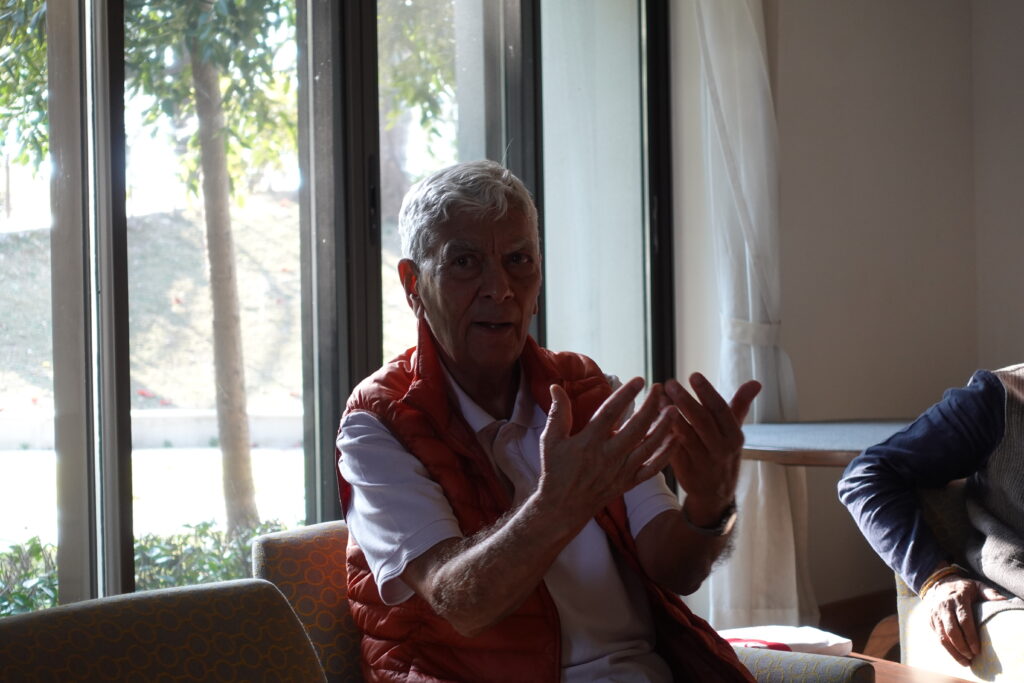
When we first sat down with him, I instantly noticed he had a brightness and joyful attitude. Despite his age and immense amount of education and experience, he was not afraid to talk loudly and with his hands, make jokes, or poke fun at some of my classmates. One thing that stood out to me during the interview was the way he talked about how creativity, writing, and leadership all overlap. Many sources called Seth a “theater personality” so I asked him how acting and theatre coincide with leadership. He responded, saying that acting was a very helpful tool, especially as a diplomat. He mentioned that you may have to act angry even if you are not — facial expressions are important. He also gave a very valuable piece of acting advice, saying that when you play a character (he used Mercutio from Romeo and Juliet as an example), you, the actor, are never going to be Mercutio — even if you method-act. However, you must convince the audience that you are, and through that experience, you may watch yourself play that character.
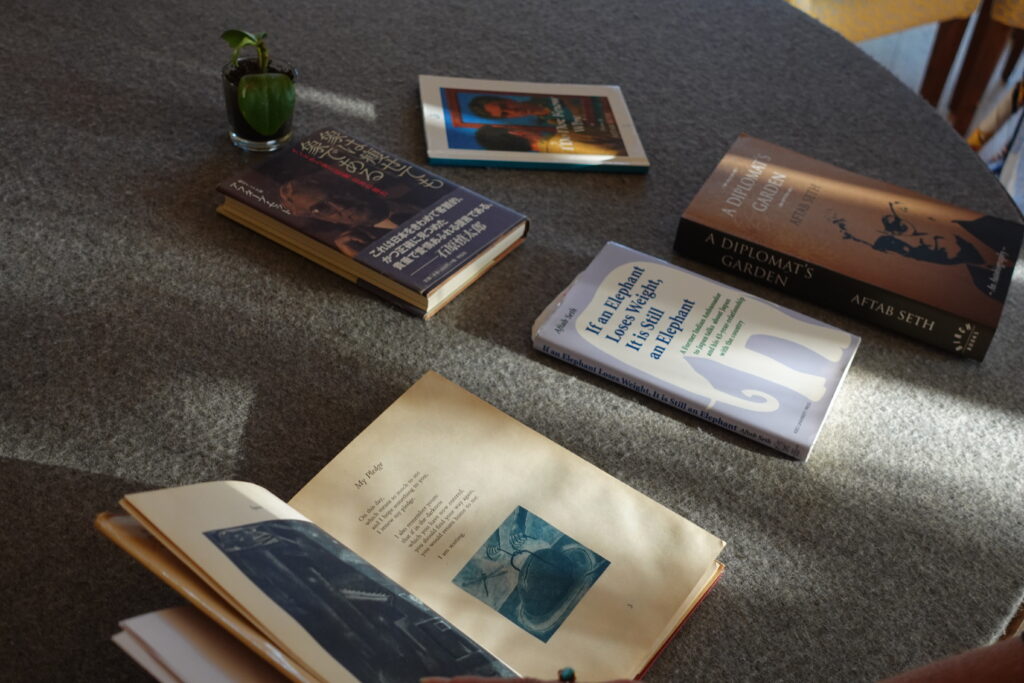
Another thing during the interview that stood out to me was how he talked about learning new languages; and the power in “breaking bread” with others in order to learn. Seth said that when communicating with others in another country, using a translator isn’t really connecting with that person. You must sit down with them and experience their culture — whether that be through “drinking alcohol” or “sitting underneath a Kotatsu and eating sushi.” That is the real way to learn a language.
Overall, interviewing Seth felt like a breath of fresh air, with his creative approach to diplomacy and his silly way of going through life. I hope to meet him again soon, and I am excited to test out his acting advice!

Service to Billions
Today we had an informative interview with Abhinav Kumar, a high ranking officer who has worked for the Indian Police Service for several decades. Sitting at a long table in an official looking conference room, we felt grateful that Abhinav made the time to converse with us despite his busy schedule. Over delicious cups of chai, we discussed Abhinavs’ career, values, and he shared his global and local perspectives on politics and law enforcement. His views were thoughtful and he took care to acknowledge the flaws in the police system and government, while also pointing out the positive changes and progress that have happened since he’s been a part of the police service.
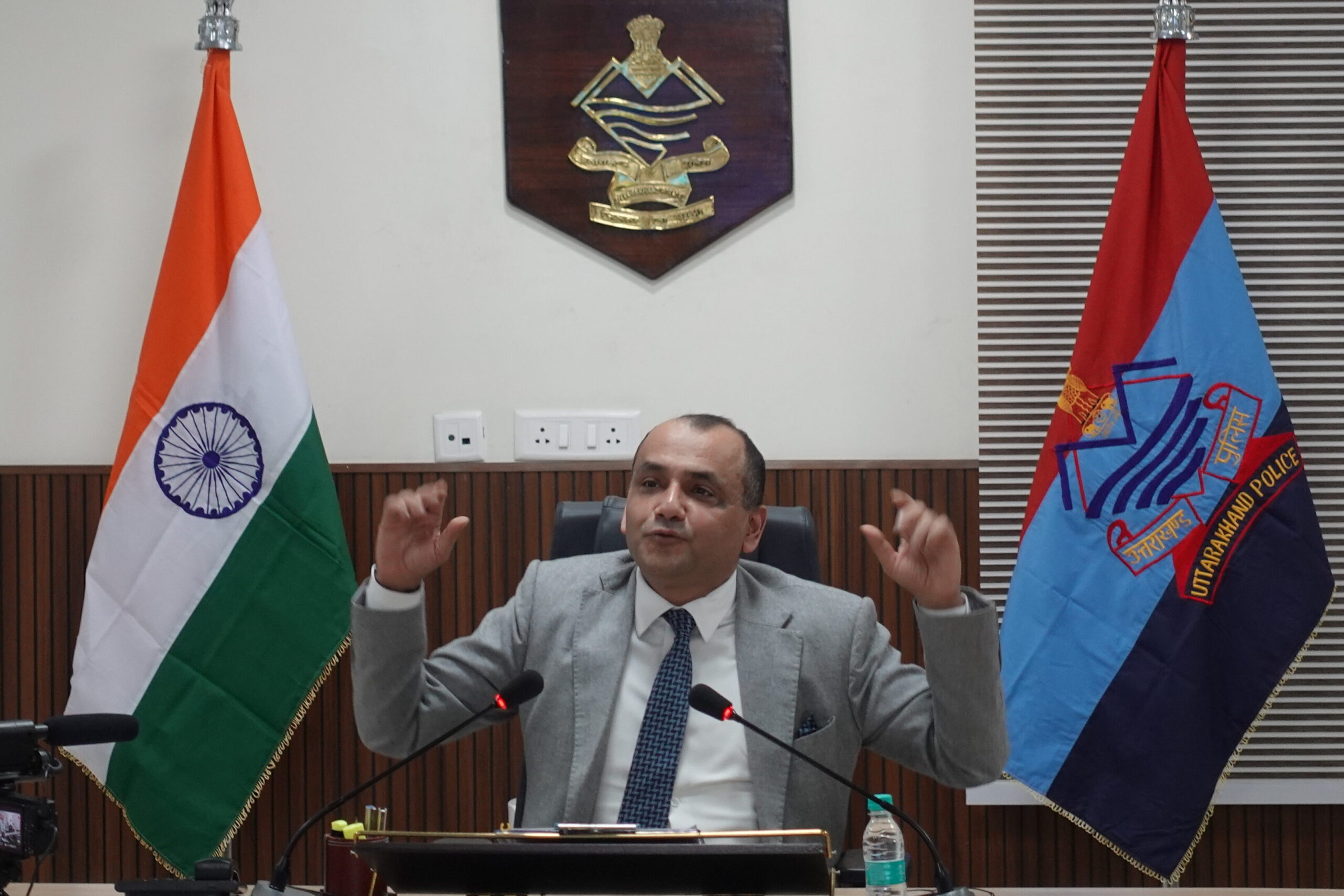
An important theme in the interview was that change is gradual, especially in a place like India, with a population of one and a half billion people and a long history of prejudice and hardship. Abhinav talked about the sides of policing that we don’t often consider, such as the hardships it creates for the officers and their families. He explained that in the first years of his career as a police officer he worked constant, long shifts and had no time for family life. He also faced dangerous and traumatizing situations. As he rose through the ranks and his roles changed, he had more time and was able to start a family, but he still struggled with separating his home life and his police life. He mentioned studies that have shown really high divorce rates among police officers, as well as the prevalence of other issues including alcoholism and violence. Often, police officers bring the violence and trauma they experience on the job back into their homes.
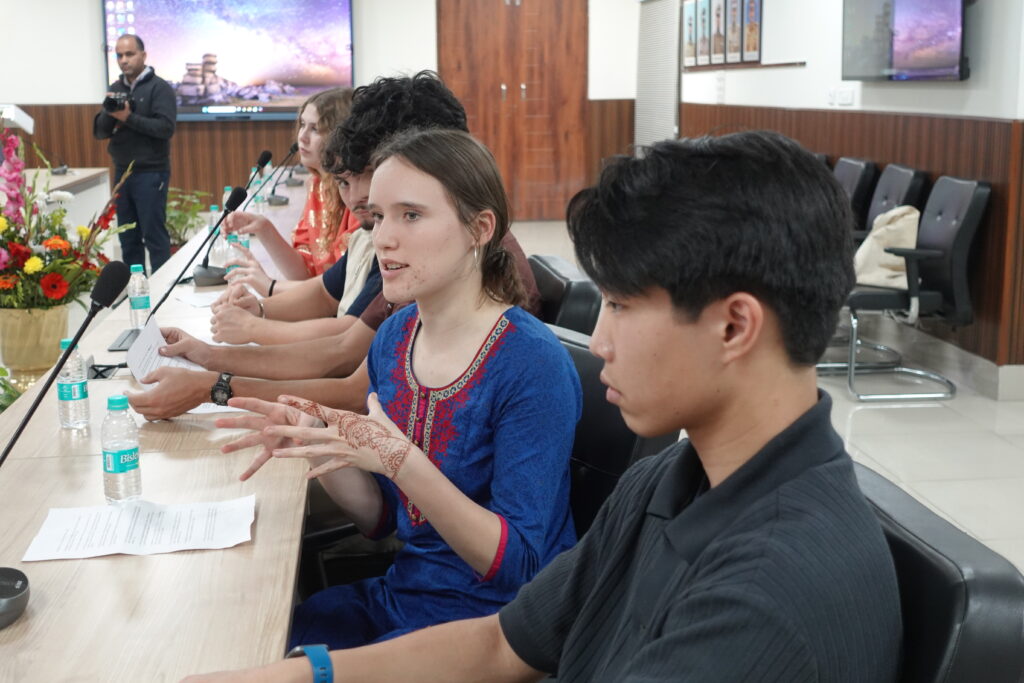
We asked Abhinav about the qualities necessary for good leadership, especially in the police force. In response, he emphasized the importance of not asking the officers under you to do things you yourself are not willing to do. He talked about not just assuming that because you are in charge, everyone will listen to you; instead you have to earn that respect by setting a good example as a superior officer.
Abhinav also talked about the importance of young people being interested in public service and pursuing careers in it, and he expressed his appreciation for hearing from the perspectives of young people like us. Speaking with him gave us a fascinating insight into politics and law enforcement in India.

International Connectedness
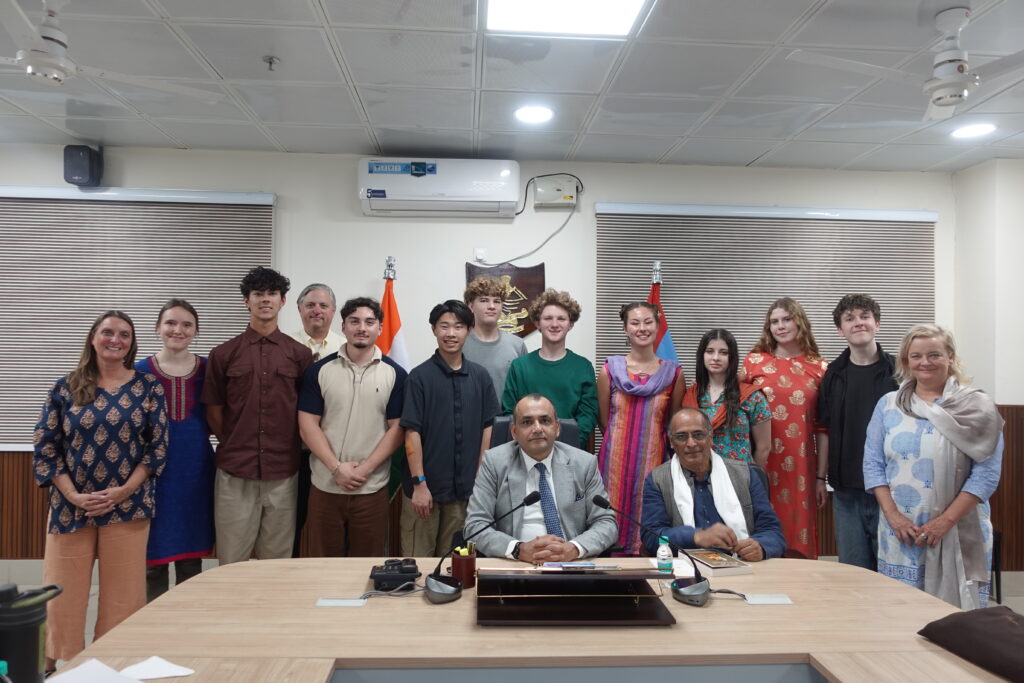
Aftab Seth is an Indian diplomat who has had a long career in international relations. Much of his career was spent in Japan; he was the ambassador for India to Japan. Our class went to interview Aftab Seth at a home for the elderly. Shantum, a very learned man who helped arrange our interviews, talked briefly about how in India old people’s homes were uncommon. They are a new phenomenon as the elderly most often live with their children. Aftad Seth lived in one of these rare, very wealthy elderly homes in India.

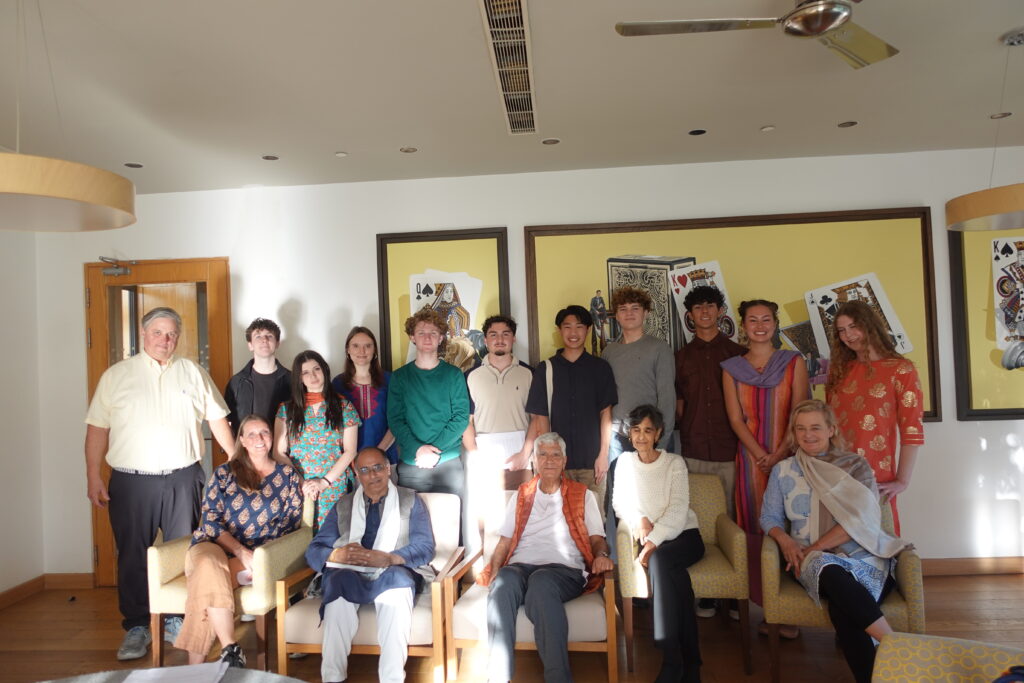
When we arrived, we were seated in a very neat and well furnished room. I believe its intended purpose was for poker as there were paintings of cards on the walls. As we prepared to interview him, he explained about his history in the diplomatic department. Language, he explained, is extremely important, especially when attempting to connect to a new culture. He related that there is really no better way to understand people. Without language, understanding stays on the surface, but with it, deeper connections can form. He has written several books that reflect upon his experiences as well as his ideas about diplomacy and culture. At one point in his career, he was also a professor at Keio University, where teaching required many of the same skills used in diplomacy. Patience, as well as clear communication, were important no matter where he was in his career. He stressed that understanding cultures is of great importance, and that assuming, instead of learning, can create problems.

When speaking about the most important lesson he learned during his time as a diplomat, he mainly focused on hard work and dedication rather than success coming easily. Throughout his talk, he was very charismatic and often funny, which made him far more engaging and easier to remember.

The Joy of Charity
When I decided to go on the India Learning Journey for this year, I wanted to go for multiple reasons, but probably the most important for me was finding the “missing link” in my life. I have always had a very good life, but I have always felt like I have been missing something, and I was hoping that going to India would help me. Little did I know that I would get my answer much sooner than I imagined, on the evening of our first day in India, which was after we visited the CED society building.

I was tired then, but we still had one final stop before we went back, which was helping-out at the Tibetan Elders Home. All of the constant things to do at the CED society had worn me out, not to mention the fact that I had very little sleep the night before, but I was still ready to do whatever I was asked to do. I just had to hand out clothes, which seemed like a very easy job, and I was eager to help out the elders. When we got to the Elders’ Home, we were greeted by Lama Tenzin, who had helped us with several key parts of the trip. I was grateful that he was energetic and helpful as always, and he was still very happy to see us.
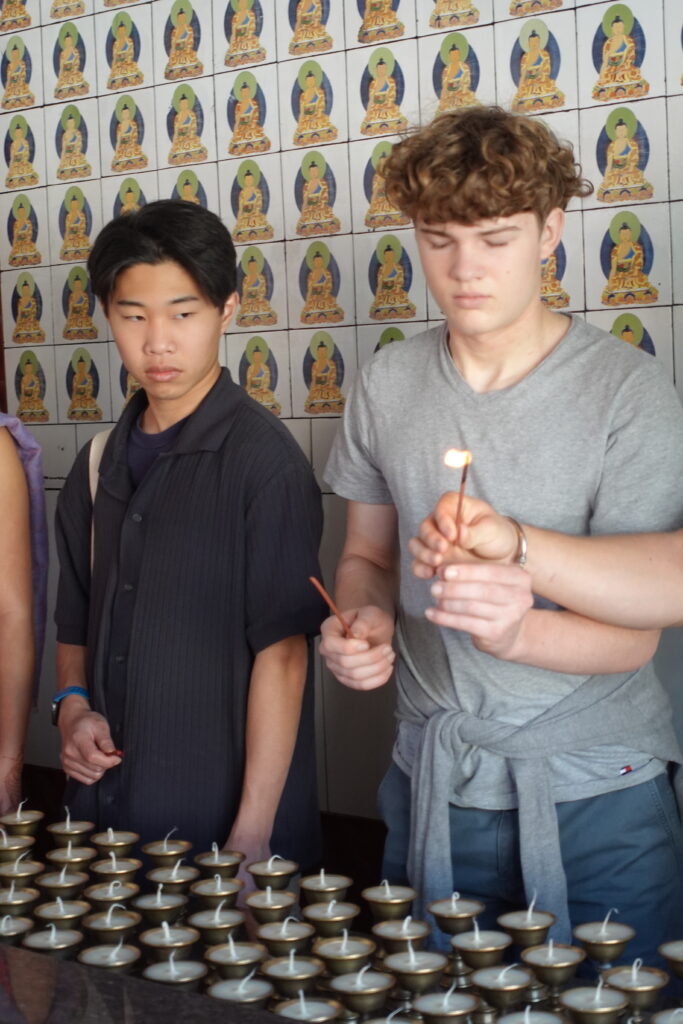
We were soon given warm wool hats, socks, and money for the elders, and we were instructed to give them out in a specific way in order to make sure that the elders felt at peace. We soon began to hand out the supplies, and I was mainly focused on the job at hand. I made sure to respect the elders by bowing to them and thanking them. Only after I finished did the reality of the situation hit me. I suddenly realized that I was here, and that I had just done that, and it meant something to me on a deeper level than I expected. I had always valued community service and selflessness because of the values that my parents taught me, and this felt like the culmination of that. I was helping, I was making a difference, and this small revelation completely changed the way I felt about my future. I have always wanted a job that involves helping people, but that always went the way of a national service, like a park ranger or law enforcement. Now I feel that community service could be an option for me and even more than that, it should be.