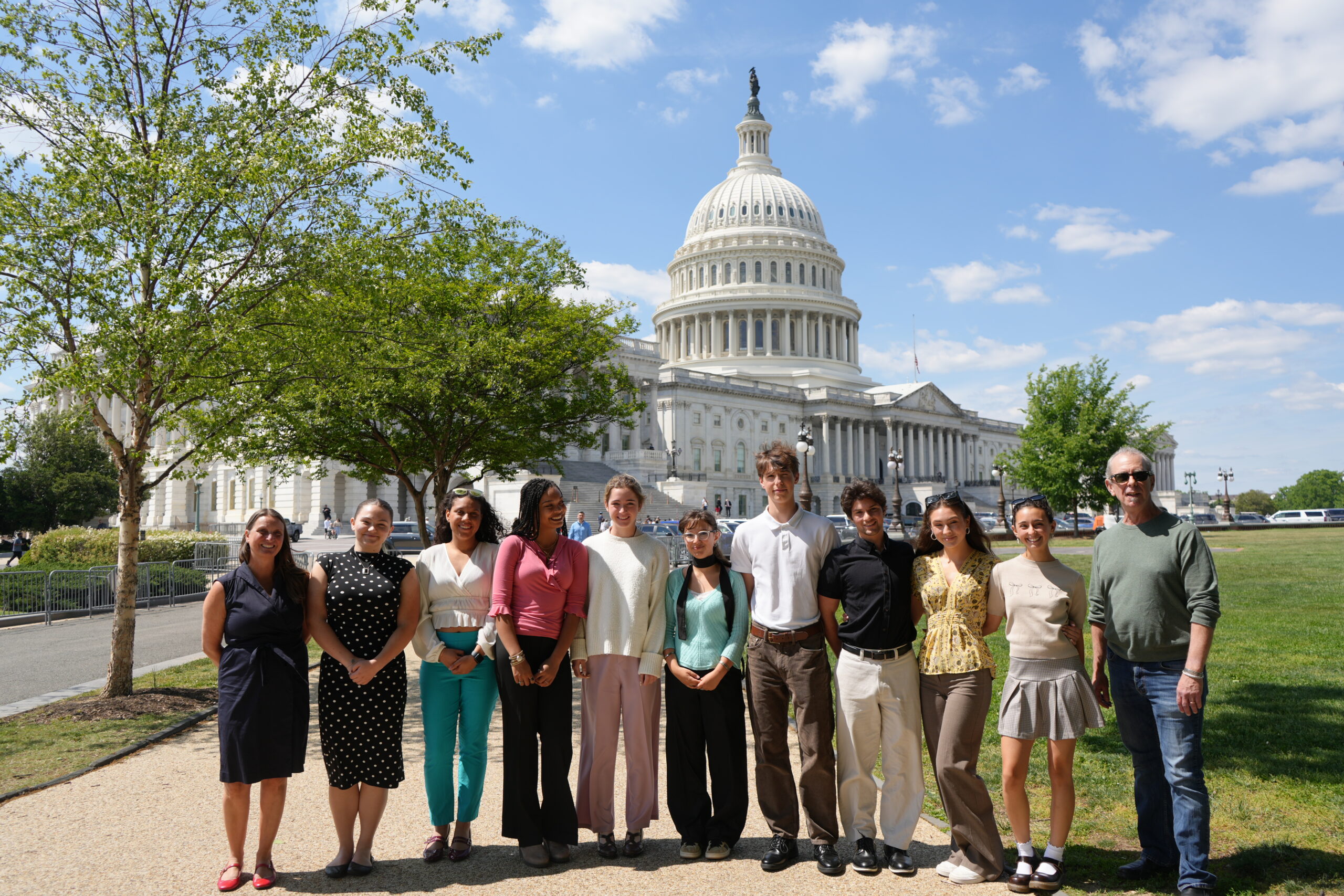
Don’t Believe Everything You See Online
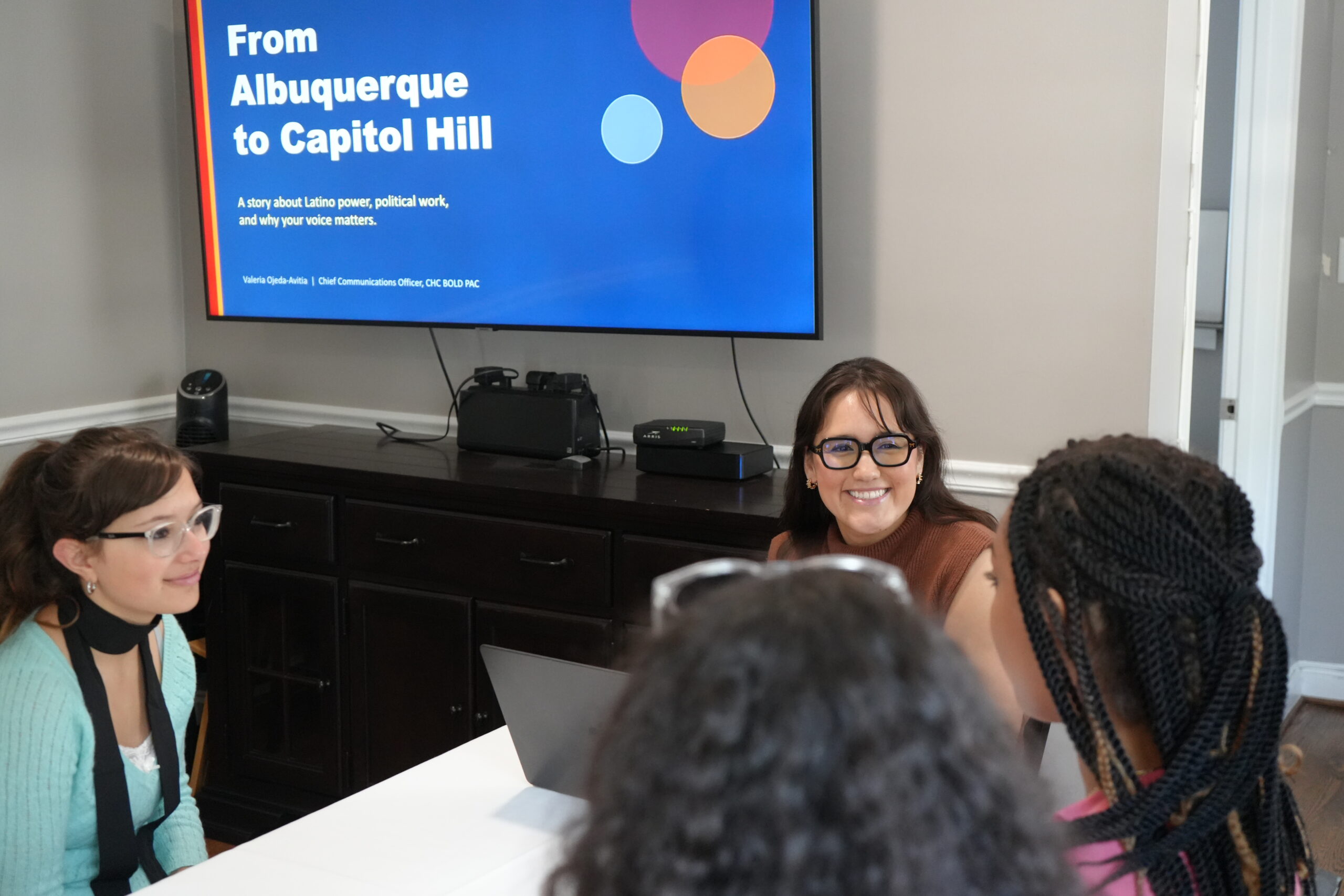
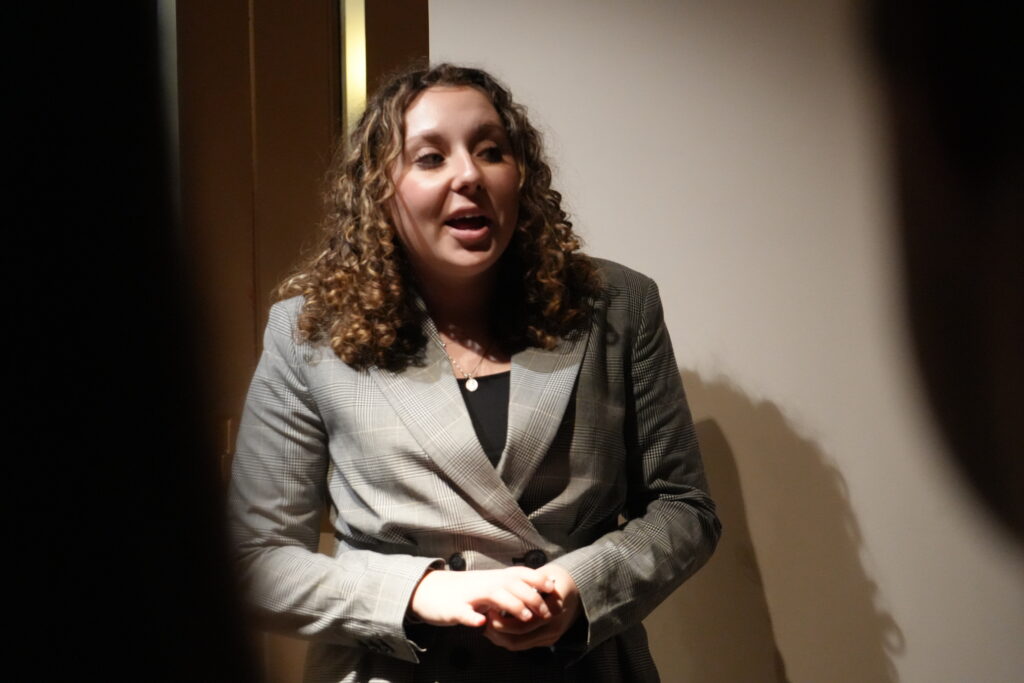
Today we interviewed a smart woman named Valeria Ojeda. She’s part of CHC BOLD, a political action committee (PAC) that specializes in helping Hispanics in politics.
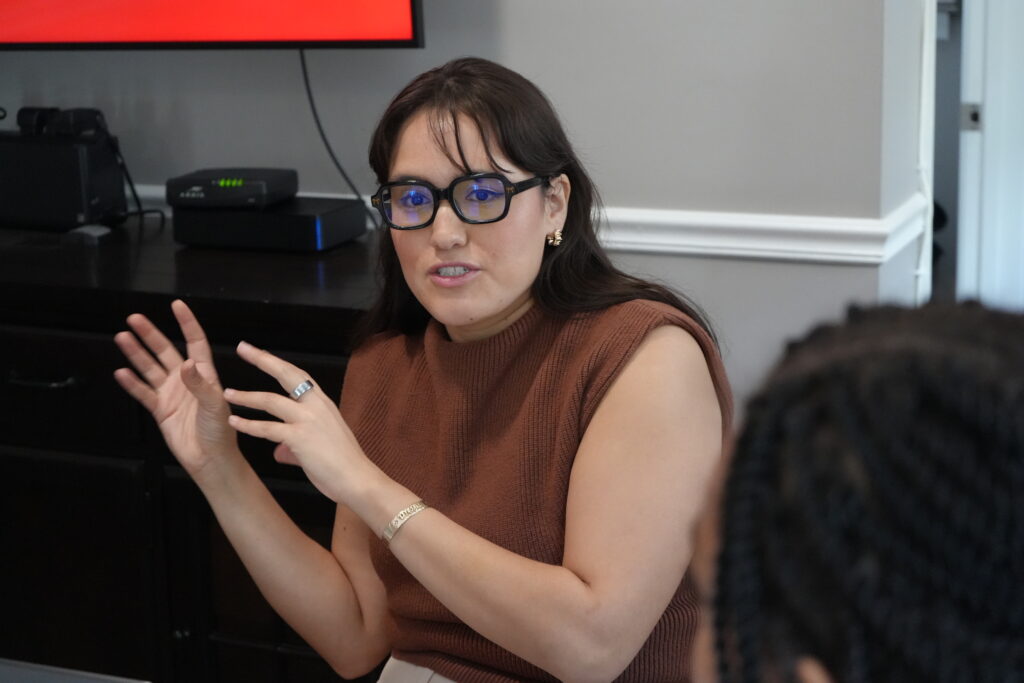
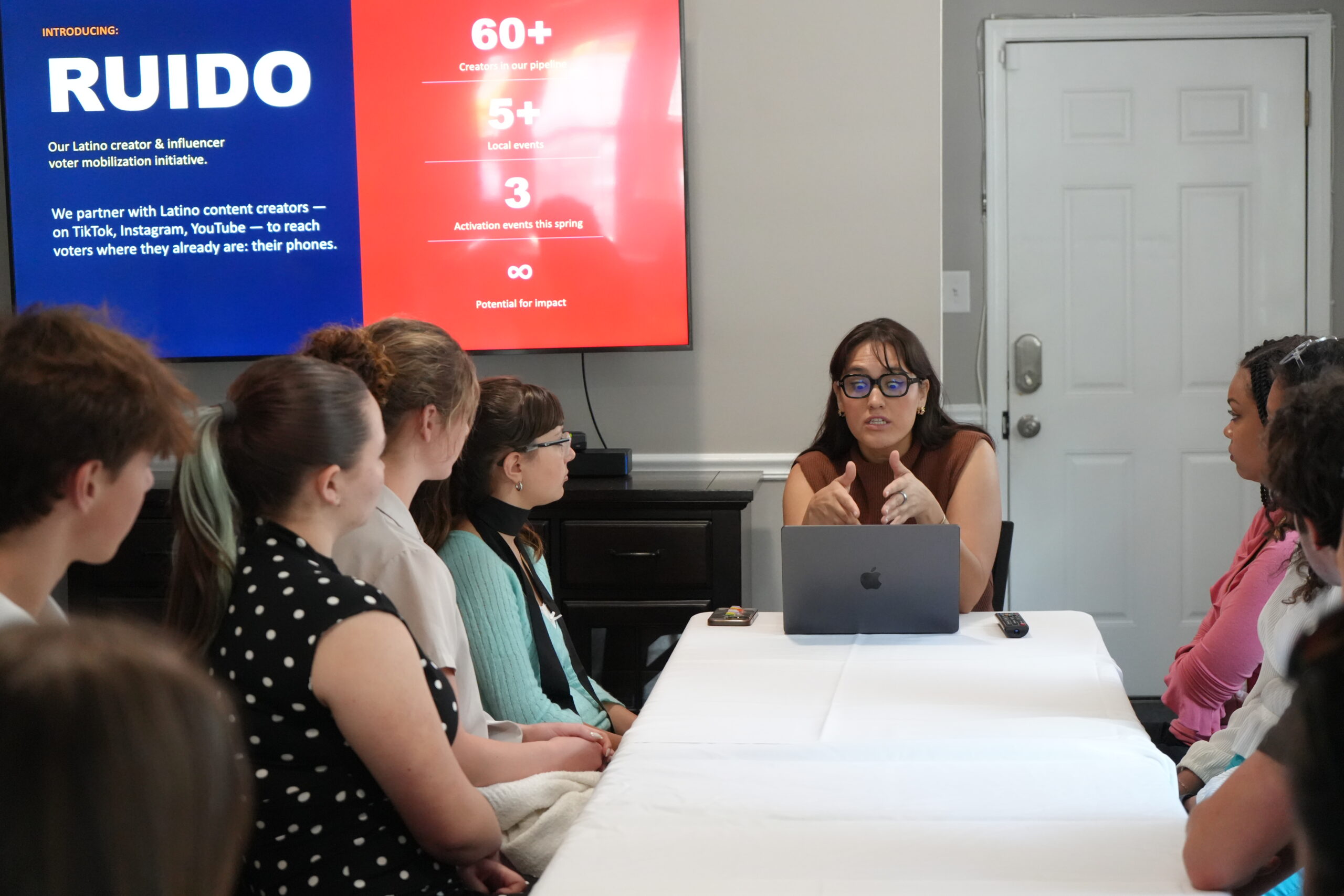
One of the main themes she talked about is utilizing social media. Social media plays a big role in how I understand politics, and after this interview I realized that it can be both helpful and dangerous. I use social media a lot, and many times I find myself believing what I see without really questioning it. I have realized that believing everything I see online can be dangerous. There is a lot of misinformation, and sometimes posts are designed to get attention rather than tell the truth. If I do not take the time to check facts or look at different sources, I can easily be misled. Ms. Ojeda emphasized the importance of using social media if you are not watching or reading the news from traditional sources. I now think it is important to be more responsible with how I use social media. I want to take time to question what I see, look for reliable sources, and think before I believe or share something. Social media is powerful, and it can be used in a positive way, but only if I use it carefully. Overall, today’s interview has helped me realize that I need to be more aware and make sure I am not being influenced too easily by what I see online. I was really lucky to interview Ms. Ojeda, as the interview meant a lot to me. I am now looking forward to our next interview and asking questions to learn about that person’s experiences.
A Diverse People Require Diverse Representatives
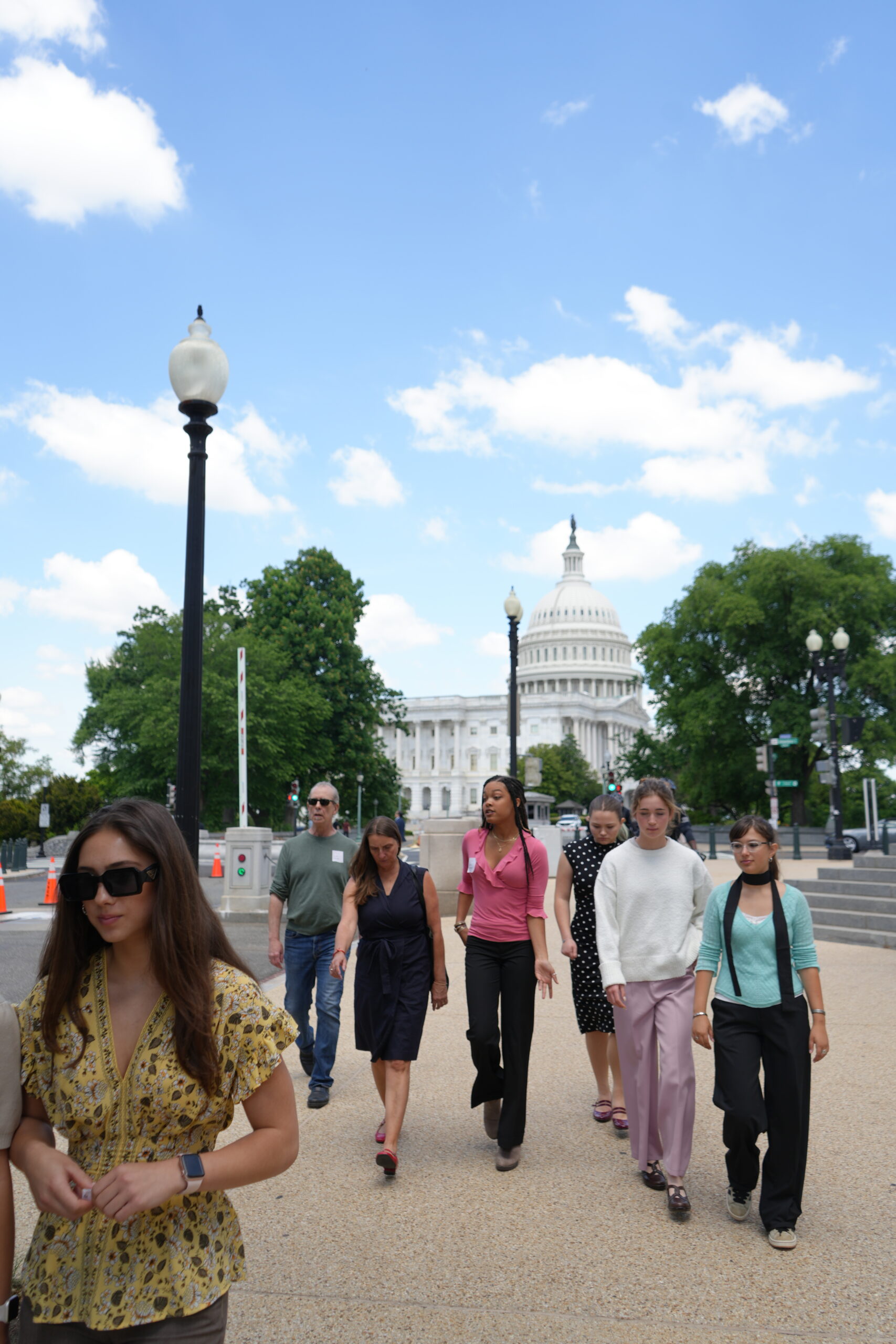
Today we went on a Capitol tour, interviewed Chelsea’s friend Valeria Ojeda from CHC BOLD PAC, and visited the House of Representatives gallery. Throughout these experiences, I started to notice how limited diversity and representation can feel in our government. During the Capitol tour, I saw a lot of older white men in positions of power, and when I visited the House of Representatives gallery, that observation felt even clearer. There were mostly older white men, with only a few women present, and they also appeared to be older.
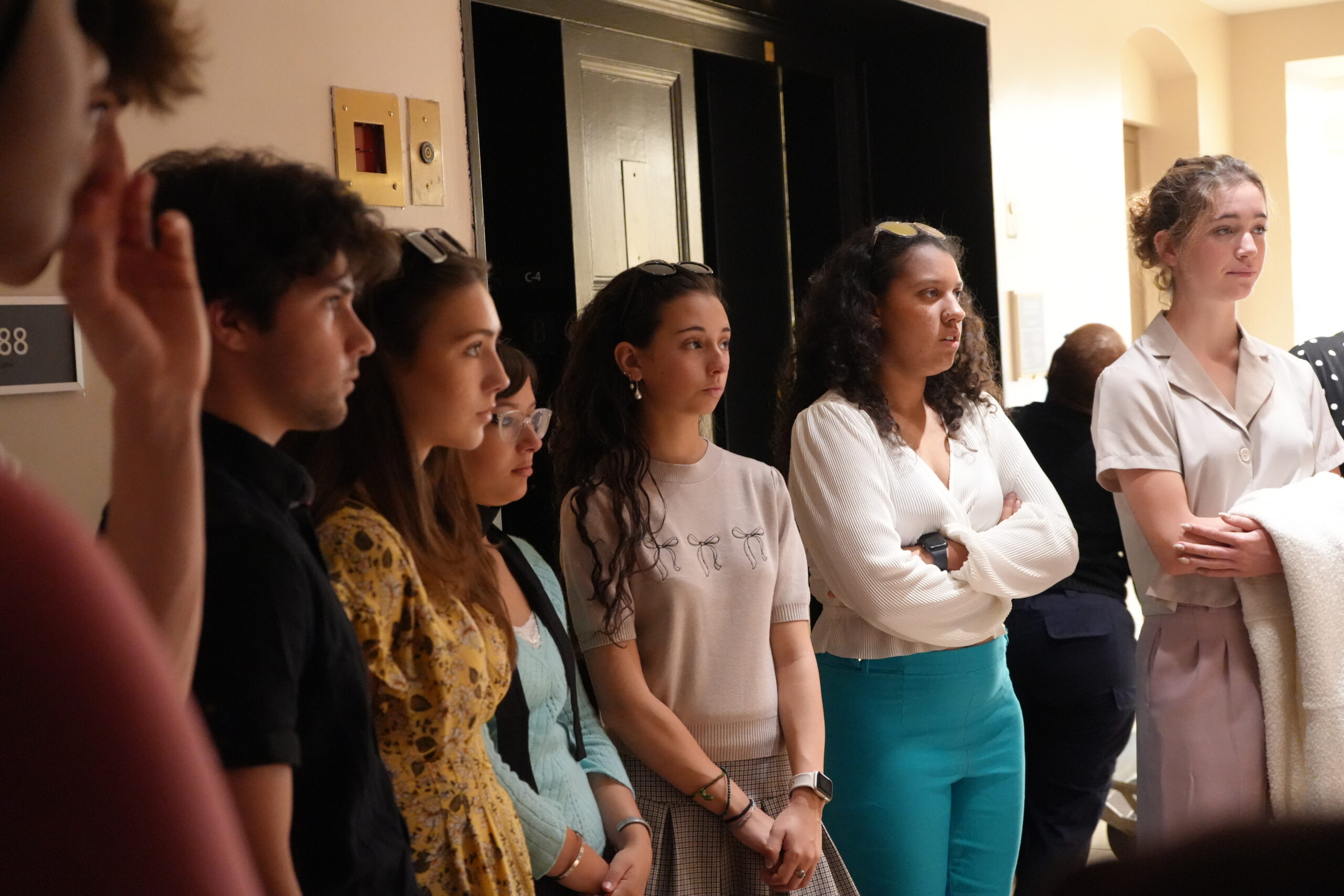
According to NBC, with “an average member age of 58.9 years old, the 119th Congress is the third oldest since 1789.” This fact raises concerns about how well Congress can keep up with a rapidly changing world. Technology, social norms, and global challenges are evolving faster than ever, and younger generations are often at the forefront of understanding and adapting to these shifts. While experience is valuable, an overrepresentation of older lawmakers may limit how quickly new ideas, especially those related to technology, climate, and modern social issues, are embraced. A Congress that includes more representatives in the 30–40 age range could bring fresh perspectives, greater familiarity with emerging technologies, and a stronger connection to younger constituents. By balancing experience with innovation, a more age-diverse Congress could better position the country to move toward a more equitable and technologically advanced future.
As a younger person in this generation, I feel like the things that need to be changed and said are not being said, or things that are being done will not be beneficial to the younger generation when they grow up and take over government. However, I do see some people are really trying to change things. For example, we visited the House of Representatives gallery, where representatives were discussing H.R.7959, which would implement more technology into the IRS to make filing taxes easier, more efficient, and easier to understand. My experiences today made it clear that for the government to represent the people it serves, it must continue to evolve by including a wider range of ages, perspectives, and lived experiences.
Careers on Capitol Hill
Today our class visited Rep. Jimmy Panetta’s office and met Sofia, an intern in his office. She was insanely knowledgeable. Despite only being a junior in college, she navigated the Capitol like a senior member of Congress, full of interesting facts and opinions. As we walked through the building, looking around at the historic figures lining the walls, I felt a rush of ambition. People who have passed here have made considerable changes to our society that’s left a lasting impact in a true, real way. Sofia talked about the people who have worked themselves half to death in the same halls that are now decorated with their names in gold. We stood in the same places where historically important who created our government have stood. Being there and hearing Sofia speak increased my ambition for a career in politics.
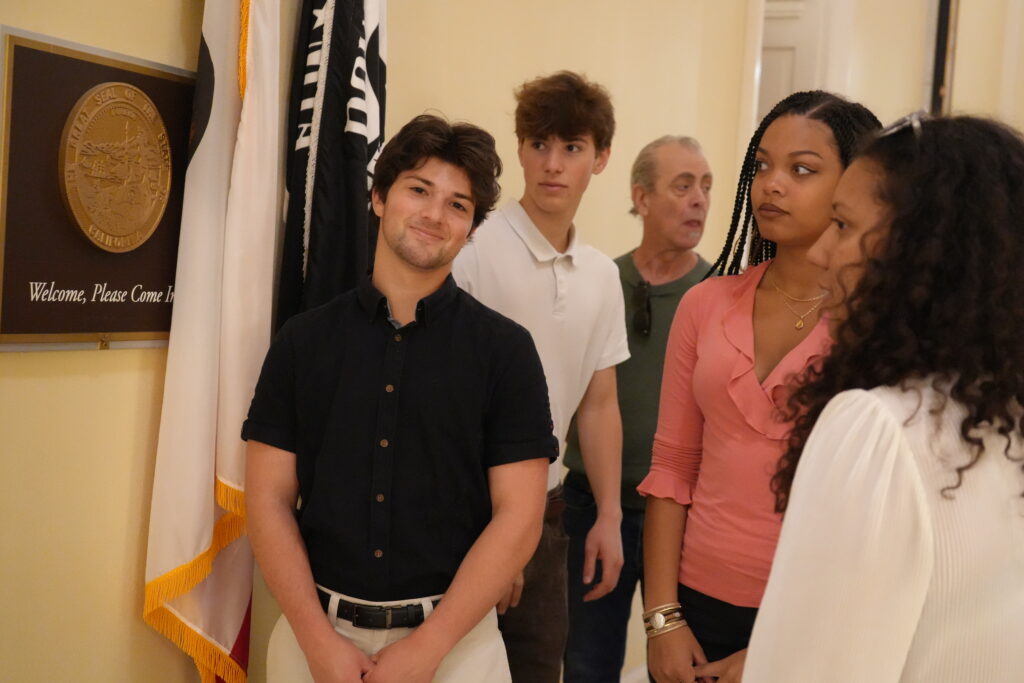
I spoke to Sofia about the path she had taken to get where she is now. Her responsibility is awesome! She looks over memos sent to the congressman, and she writes recommendations for and against bills. It all sounds so interesting and fulfilling. Her specific interest is in healthcare policy, and her internship has given her the connections to pursue her career. I realized that is exactly where I want to be. She also talked about the difficulties in securing an internship as an undergrad. I think such a collegiate program would be super rewarding. She encouraged us to reach out to our congressman, and she talked a bit about how Rep. Panetta loves getting mail from high school students. She really made me think about the necessity of networking, developing confidence, and taking advantage of every opportunity. Since I hope to end up here on Capitol Hill, it is really helpful advice.
Later, we met with a friend of Chelsea’s, Valeria, who has a leadership role in CHC BOLD PAC. Her job is to support Hispanics running for office. She works closely with media groups, politicians, and private companies. When interviewing her, I couldn’t help but ask questions about her career. Again, it sounds so enviable: the problem solving and the importance of it all. Her work results in lasting contributions to her community and society as a whole. The interview was wildly inspiring. Both she and Sofia said the same thing: if you want to work in public policy, you must network, network, network.
After lunch, we visited the House Gallery and observed Congress in session. There was no debate. Instead, the discussion was bi-partisan: they unanimously supported a bill that would streamline the IRS by updating its technology. It sounds extremely boring, but I loved it. We were watching policy being made, actual decisions that affect the way we live our lives! If the bill passes Congress and is signed by the President, filing taxes will no longer be a huge hassle, but will be no worse than scheduling a doctor’s appointment. While I had never considered running for elected office, I now see the appeal. These people are not necessarily influential in ways that are obvious. They work behind the scenes, shaping the world we live in. This idea seemed to be today’s theme. I want to be able to make connections with people, and I am so very excited to take advantage of opportunities as Sofia and Valeria have done. Wish me luck!

Money and Priorities in Washington, D.C.
The way that public money is spent in Washington, D.C., is very wrong, in my opinion. While the streets are clean, and the buildings so magnificent it’s shocking, there are better things we could be spending money on.
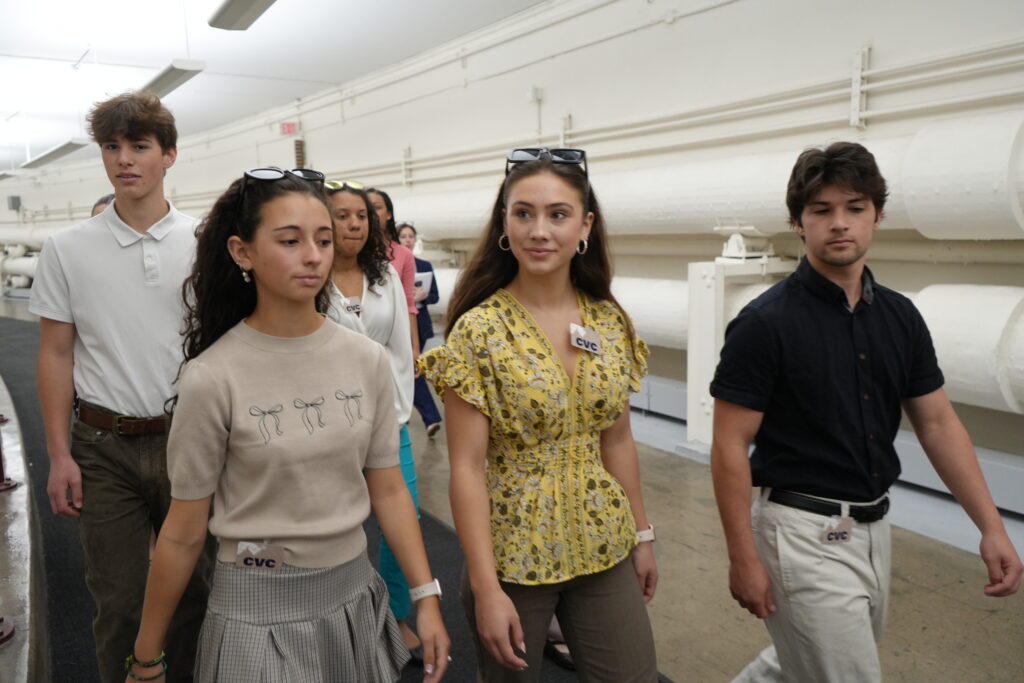
We went on a tour through the Capitol building to start the day, starting at our representative Rep. Jimmy Panetta’s office in the Cannon Building of the House of Representatives. Walking towards the building we saw the National Guard standing around in groups of four. We’d seen them around before, none of them ever up to anything more than talking amongst themselves and watching the public suspiciously. It made me wonder how much money goes to law enforcement. It also made me wonder why they are out here, when the biggest catastrophe I’ve seen since I’ve been in D.C. was a scooter accident. It felt like every block here is a police car, and every cop I’d seen that wasn’t actively driving was on the phone. I wonder about the money the president has been spending on law enforcement and the amount of crime that has been committed since he was elected.
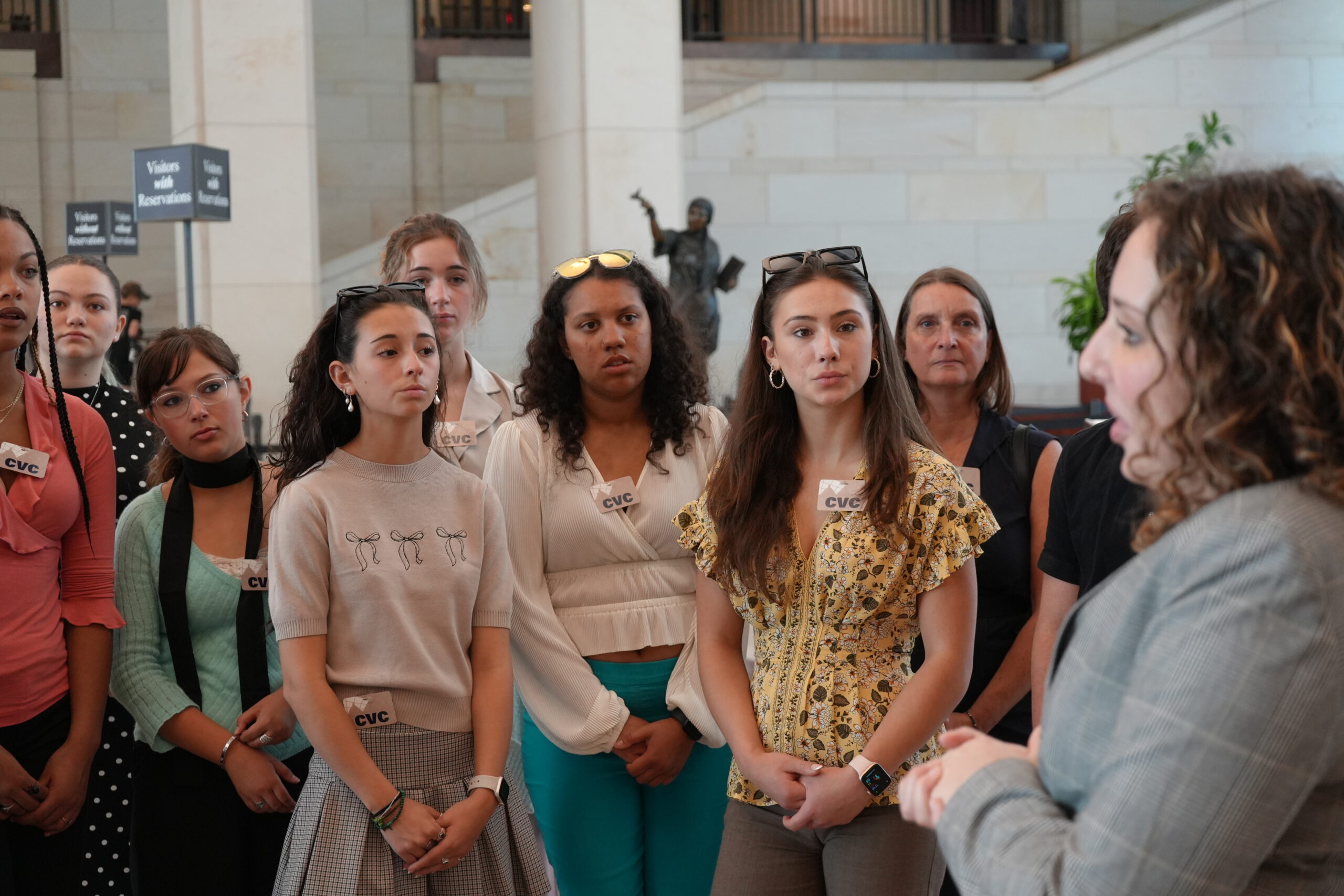
After the tour we had our first interview, which was less formal than usual. We spoke with Valeria Ojera, a young woman who works in communications for a political action committee that helps Hispanics get into leadership positions by aiding campaigns and writing press releases to increase the visibility of candidates. I learned from her that many people working in the media for political causes will flat out lie or badly bend the truth to promote an opinion. She described a recent example in which a quote was made up and published in order to hurt the reputation of a congress member supported by her political action committee. She shared that there is no way to stop or take down advertisements like those without going through a long and expensive legal process. Hearing this sort of story made me realize that the money that should be used to create a government that genuinely represents the people of America is really being used to pay police to stand around, talk on their phones, and allow people to lie to us in the media without repercussion.