Life Path Reflections
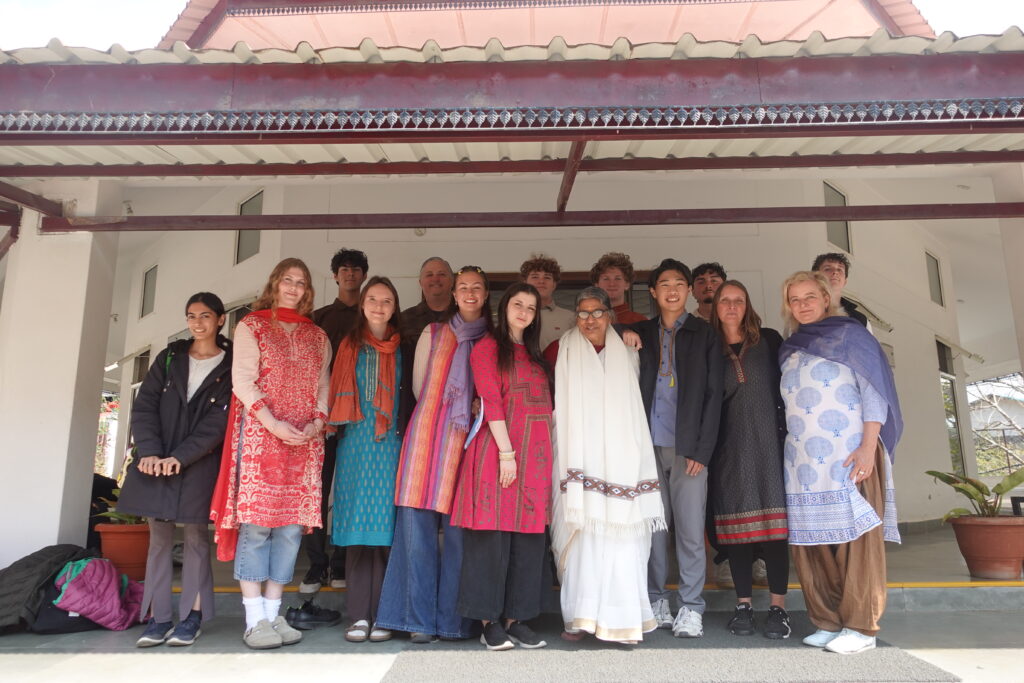
Today we had the privilege of meeting with Dr. Metre, an inspiring woman who serves as the director of CORD (Chinmaya for Organisation Rural Development). From the moment she stepped into the room, there was a noticeable shift in energy. We felt as though we were in the presence of someone who had not only seen and experienced much in life, but who had also practiced deep reflection.
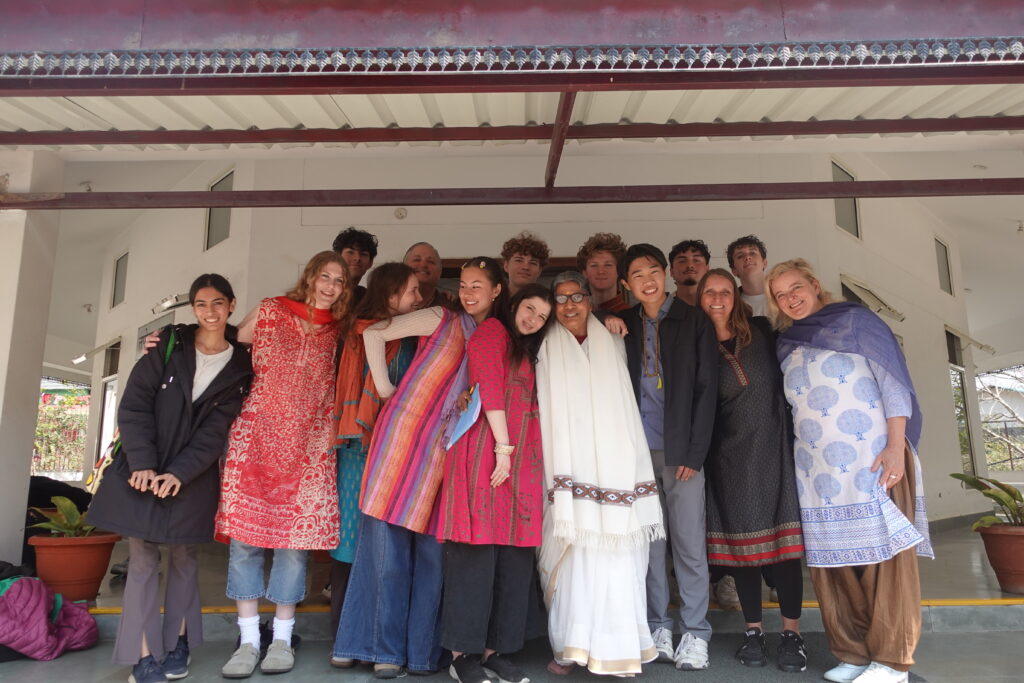
Dr. Metre did not just talk about systems and structures, she spoke about people, communities, and the deeper values that shape how we live. She spoke about individualism in a context of negativity, in a way I had not heard about for a long time. When I was little, my brother and I would fight a lot about our toys and space. My grandfather would chastise us. “Mine. Mine. Mine. If you are always so focused about what’s yours, you’ll never know what more you could have if you joined your toys together.” He would always say this, no matter the context. He tried to teach us about unity over division.
I realized that over time I forgot about this, and was sucked into the individualism and independence of California culture. When Dr Metre spoke about individualism, I was reminded of many things I had forgotten. I remembered that I should be mindful.
By becoming independent, I lost connection to the things I could have had. I also became disconnected from my family. We praise independence in our culture. The minute we turn 18, we leave the house and go to college. From there, most Californians establish their own home. This is entirely different in India, where a normal path is to stay with your parents to help care for younger siblings. Then people care for their parents. While I don’t entirely resonate with either side, I feel like a good mix is necessary.
Inspiring Work
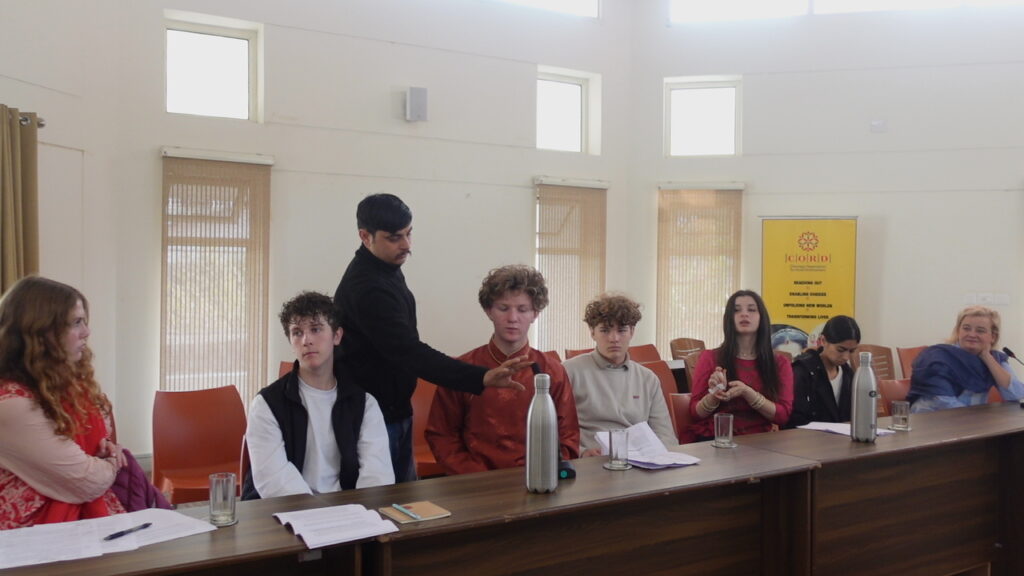
Today we interviewed Dr. Metre, director of the Chinmaya Organization for Rural Development. CORD is an organization built to empower people (especially women) in rural communities to become self-sufficient. The organization facilitates holistic well-being, community participation, and acquisition of modern business, medical, and agricultural skills.
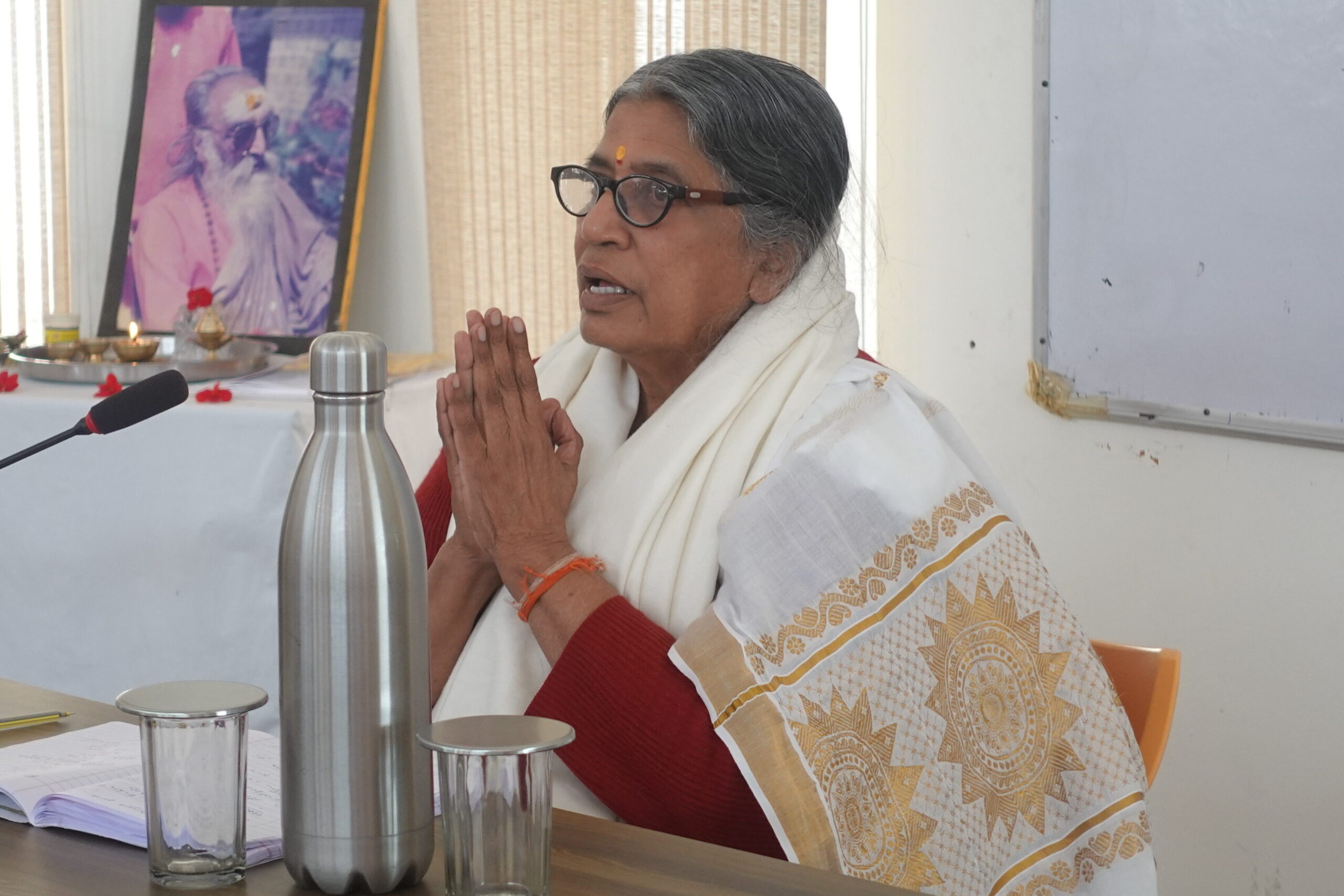
Decades ago, Dr. Metre left her medical job and privileged life in Delhi to address health-related issues in the rural communities. Originally, this was the sole focus of the organization, but once she arrived, she realized that the health issues the people faced were interrelated with so many others that it was pointless to address them on their own. From there, the main focuses of the organization as it is today arose: women’s empowerment, healthcare, education, livelihood development, and community programs. This holistic approach was revolutionary and allowed for far greater empowerment and development than approaches that only address one issue, or treat people as only recipients of aid, rather than equal partners in their own advancement. CORD has become a model for other organizations trying to do similar work.
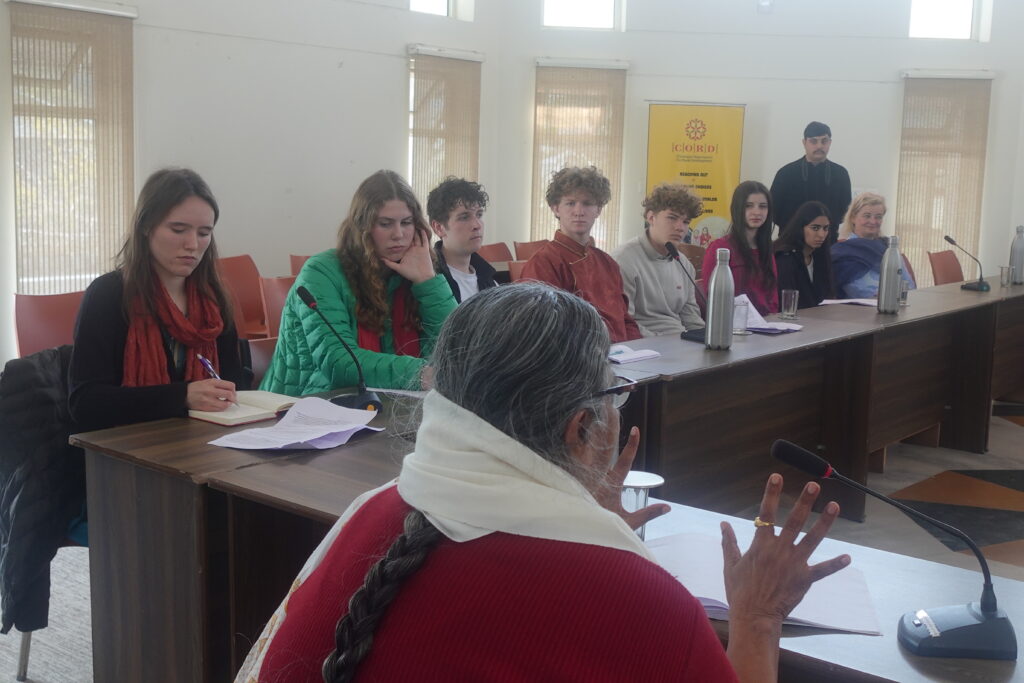
For CORD to be effective, people have to actually believe they have the power to change their lives. Because of conditioning from the caste system and the patriarchy, many often do not believe they have any agency or right to change their circumstances. An important part of Dr. Metres’ work is teaching women that they are important and their work is of value, and making them see that they are often actually doing more with their days than the men are. Giving women a platform to get together and discuss their concerns helps them gain confidence in what is often an isolating life of doing housework in their husband’s house, far away from their own families.
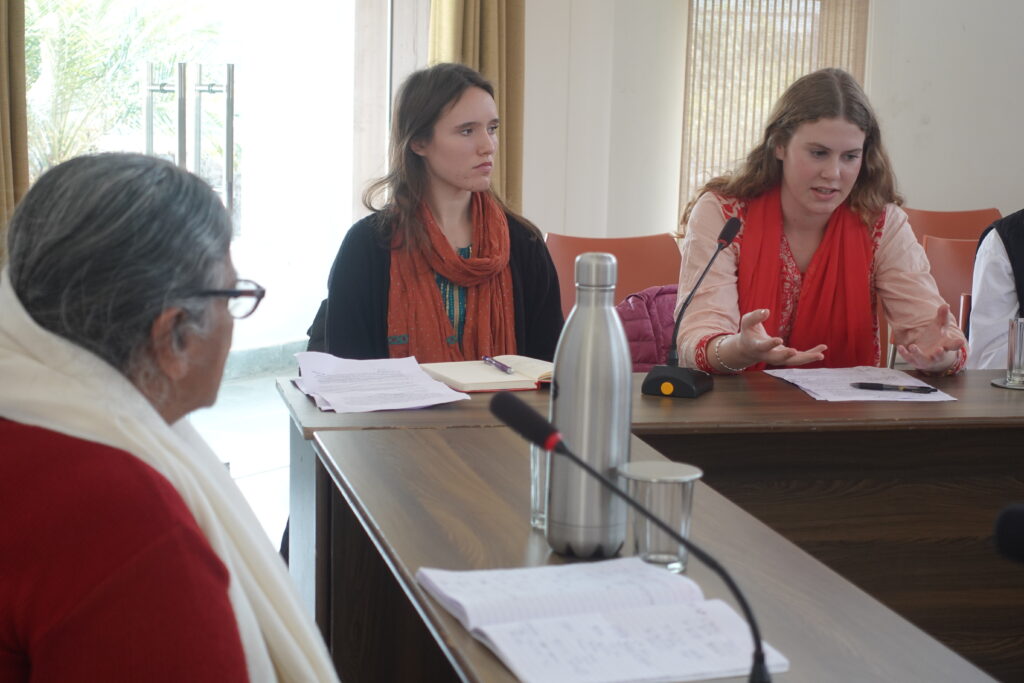
Apart from this work, Dr. Metre is also a wise and practiced spiritual thinker. Her commitment to CORD comes from her beliefs in service to others for happiness. We are all interconnected. She said, “If we value each other and each others’ roles, we begin to see that we are all complimentary.” She talked about how all you can change is yourself, but you can guide and help others, and by changing yourself, others around you will change. She said, “the greatest help I do to others is by changing myself to be the best human.”
Dr. Metre spoke of the body, mind, and intellect as instruments that we must take care of and learn how to use. To keep the mind calm, we must be able to watch what it is doing with alertness and awareness. We must also differentiate the permanent from the temporary. We are the witnesses of our own mind and we can learn to observe it and become separate from it and its fleeting emotions. Ultimately, we are all on this planet for a short period of time, and all we can do is share our prosperity, become one with ourselves, and do our best to help others. Dr. Metre said “the greatest purpose is to realize oneself, and to be one with the divine.”